
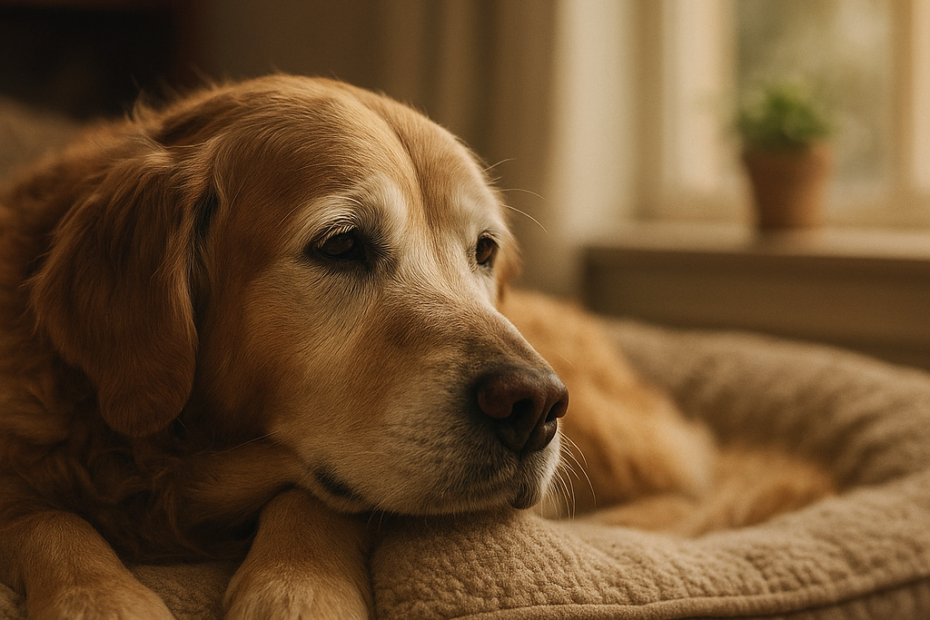
Watching a beloved dog grow old is one of the most bittersweet experiences a pet owner can go through. The grey muzzle, the slower walks, the longer naps — these are all expected parts of ageing. But what happens when your dog seems genuinely confused? When they stare blankly at walls, forget where their food bowl is, or bark at nothing in the middle of the night? This isn’t just “getting old.” It may be Cognitive Dysfunction Syndrome — and it’s far more common in senior dogs than most people realise.
Canine Cognitive Dysfunction Syndrome (CDS) is a neurodegenerative condition that affects older dogs in ways that closely mirror Alzheimer’s disease in humans. It’s not a normal part of ageing, yet it’s frequently dismissed as one. Understanding what CDS actually is, how to spot it early, and what can be done about it could make an enormous difference to your dog’s quality of life in their final years.
What Is Cognitive Dysfunction Syndrome in Dogs?
Cognitive Dysfunction Syndrome is a progressive neurological condition caused by physical and chemical changes in the ageing brain. As dogs get older, the brain undergoes a range of degenerative processes — including the accumulation of beta-amyloid plaques (the same protein deposits seen in human Alzheimer’s patients), reduced blood flow to the brain, increased oxidative damage, and the loss of neurons.
These changes interfere with memory, learning, perception, and awareness. The result is a dog who may seem “lost” in familiar surroundings, struggle to recognise people they’ve known for years, or behave in ways that feel completely out of character.
Research suggests that CDS is significantly underdiagnosed. Studies have found that around 14–35% of dogs over the age of eight show signs of cognitive decline, with that figure rising steeply in dogs aged 11 and older. Despite this, many cases go undetected because owners assume the changes are simply a natural part of ageing — and because dogs, of course, cannot tell us what they’re experiencing.
Recognising the Signs: What to Look For
The symptoms of CDS are often grouped under the acronym DISHA (or sometimes DISHAA), which stands for Disorientation, Interactions changes, Sleep-wake cycle disturbances, House soiling, Activity changes, and Anxiety. These categories help vets and owners identify patterns of behaviour that might otherwise seem unrelated.
Disorientation
This is one of the most telling signs. A dog with CDS might wander aimlessly around the house, get “stuck” in corners or behind furniture, stare at walls or into space, or appear confused in familiar environments. They may walk to the wrong side of the door to be let out, or seem startled when they see you, as though they’ve momentarily forgotten who you are.
Changes in Social Interaction
Some dogs with CDS become more clingy and anxious, seeking constant contact with their owner. Others go the opposite direction — withdrawing, becoming irritable, or losing interest in being petted or played with. A dog who was once enthusiastically social may now seem indifferent or distant.
Sleep-Wake Cycle Disturbances
Night-time restlessness is one of the most distressing symptoms for owners. Dogs with CDS often sleep more during the day and become wakeful, agitated, or vocal at night. This can mean pacing, whimpering, or barking in the small hours for no apparent reason.
House Soiling
A previously house-trained dog may begin having accidents indoors — not because of a urinary infection or incontinence, but because they’ve forgotten their training, lost awareness of their body signals, or can no longer navigate to the right spot in time.
Activity Changes and Anxiety
Some dogs become less active and responsive, losing interest in toys, walks, and interaction. Others develop new anxieties — becoming fearful of things that never bothered them before, or showing generalised anxiety without a clear trigger.
People Also Ask: Signs, Causes, and Behaviour
What are the signs that a dog might have dementia?
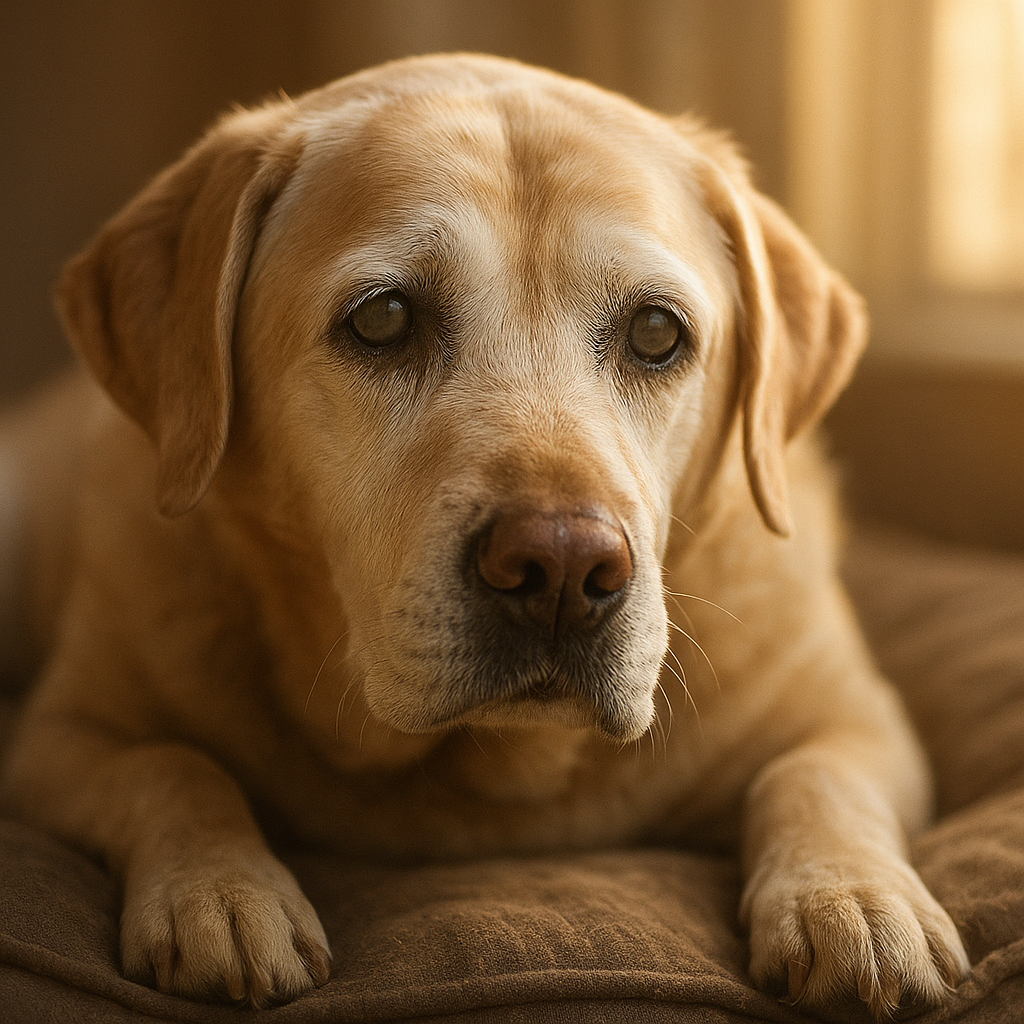
The signs of canine dementia (CDS) include staring blankly at walls or into space, getting confused in familiar environments, changes in sleep patterns (particularly night-time restlessness), house soiling despite previous training, altered social behaviour, repetitive movements, and apparent failure to recognise familiar people or pets. If you notice several of these changes in an older dog, it’s worth speaking to a vet — a formal assessment can help distinguish CDS from other conditions with overlapping symptoms.
Why do dogs with dementia get stuck in corners?
This is a surprisingly common and particularly poignant symptom. Dogs with CDS experience spatial disorientation — they struggle to process their surroundings and navigate space the way they once could. When a dog walks into a corner, the instinct to reverse or turn around requires a level of spatial awareness and problem-solving that a cognitively impaired brain may no longer manage easily. They become, in a very literal sense, stuck — unable to work out how to get themselves out. It’s not stubbornness or disobedience; it’s the brain failing to process a simple spatial challenge.
My dog with dementia won’t stop barking. What can I do?
Night-time vocalisation is one of the most challenging aspects of CDS for owners. The barking is often caused by confusion, disorientation, or anxiety — your dog may wake up, not know where they are, or feel frightened. A few strategies that may help include keeping night-time environments predictable and calm, using a night light to reduce disorientation in the dark, maintaining a consistent routine throughout the day, and discussing medication options with your vet. Drugs such as selegiline (licensed for CDS in dogs) or anti-anxiety medications may significantly reduce night-time disturbance. Never punish a dog for this behaviour — they are not acting deliberately, and punishment will only increase anxiety.
Diagnosing Cognitive Dysfunction Syndrome
There is no single definitive test for CDS. Instead, diagnosis is typically made by a vet through a combination of a detailed behavioural history, physical and neurological examination, and ruling out other conditions that can produce similar symptoms — including hypothyroidism, brain tumours, urinary tract infections, pain-related behavioural changes, and vision or hearing loss.
Owners are often asked to complete a questionnaire or checklist about their dog’s behaviour, which helps establish the pattern and severity of symptoms. Some veterinary practices use validated tools like the Canine Cognitive Dysfunction Rating Scale (CCDR) to formalise the assessment.
Because CDS shares symptoms with several other medical conditions, it’s important not to assume that behavioural changes in an older dog are “just dementia” without proper investigation. A thorough vet examination is always the right starting point.
Treatment and Management Options
While there is currently no cure for CDS, there are meaningful ways to slow its progression and improve a dog’s quality of life. Treatment is typically multi-modal — combining medication, dietary changes, environmental enrichment, and routine management.
Medication
Selegiline hydrochloride (sold under the brand name Anipryl in some countries) is the only medication currently licensed specifically for the treatment of CDS in dogs. It works by increasing dopamine levels in the brain and has antioxidant properties. Studies have shown it can improve CDS symptoms in a significant proportion of dogs. Other medications may be used to manage anxiety, sleep disturbance, or other specific symptoms.
Dietary Support
Oxidative stress plays a key role in the brain changes associated with CDS. Diets rich in antioxidants, omega-3 fatty acids, and medium-chain triglycerides (MCTs) have shown promise in supporting cognitive function in older dogs. Several prescription senior diets are formulated with this in mind. Supplements such as fish oil, SAMe (S-adenosylmethionine), and phosphatidylserine may also be recommended by vets.
Environmental Enrichment
“Use it or lose it” applies to the ageing canine brain just as it does to humans. Keeping an older dog mentally and physically active — within their capabilities — can help maintain cognitive function for longer. This might include gentle puzzle feeders, short sniff walks (where the dog leads and explores), and continued social interaction. Avoid overwhelming a CDS dog with excessive novelty or change, however — routine and predictability are genuinely comforting for a disoriented brain.
Managing the Home Environment
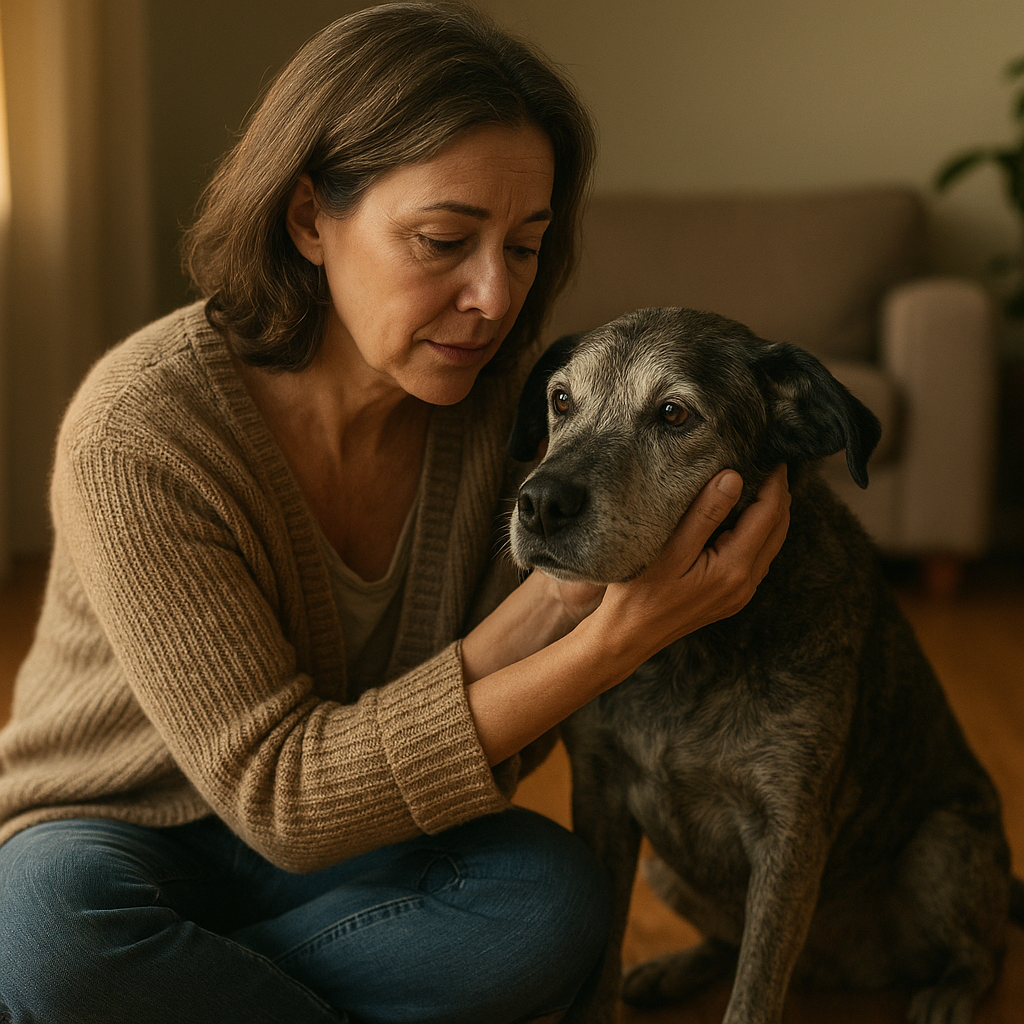
Simple home adaptations can reduce distress and confusion. These include keeping furniture in consistent positions, using baby gates to prevent a dog from wandering into potentially dangerous areas, adding night lights in sleeping areas, and maintaining a predictable daily schedule for feeding, walks, and sleep. If your dog develops new fears or compulsive tendencies alongside their cognitive decline, it may also help to read up on managing these behavioural changes as part of a broader care plan.
How Long Does a Dog Live with Canine Cognitive Dysfunction?
This is one of the most common questions owners ask after a CDS diagnosis, and the honest answer is that it varies considerably. CDS is a progressive condition — it does not improve on its own. However, the rate of progression differs between individual dogs, and many dogs with early-to-moderate CDS can live comfortably for months or even years with appropriate management.
The condition itself is rarely the direct cause of death. More often, CDS progresses alongside other age-related health issues, and the cumulative decline in quality of life eventually leads owners and vets to consider end-of-life options. The question of when — or whether — to consider euthanasia for a dog with advanced CDS is deeply personal and should always be made in close consultation with a vet, guided by honest assessment of the dog’s daily experience.
Cognitive Dysfunction Syndrome in Dogs: When to Consider Euthanasia
This is perhaps the most difficult topic surrounding CDS, and it deserves honest discussion. Advanced CDS can reach a stage where a dog is chronically distressed, no longer able to experience comfort or pleasure, and unable to rest or find peace. At this point, continuing to treat the condition may extend suffering rather than quality life.
Signs that a dog’s CDS may have reached a critical stage include persistent uncontrollable anxiety or vocalisation that cannot be managed with medication, complete loss of house training with apparent distress, inability to sleep or rest, failure to recognise owners, and an overall loss of the responses — joy, curiosity, connection — that once defined their personality. Understanding your dog’s normal behaviour patterns can make it easier to recognise when those responses have meaningfully changed. A vet can help assess quality of life using structured tools, and many practices have conversations about this as part of ongoing senior care.
A Condition That Deserves More Attention
Cognitive Dysfunction Syndrome is one of the most underrecognised conditions in veterinary medicine — not because it’s rare, but because its symptoms are so easily attributed to normal ageing. For dogs, there is no way to articulate confusion, fear, or disorientation. The behaviour changes that signal CDS are the only language available to them.
Understanding what those changes mean — and responding with informed care rather than resignation — can make a profound difference. Early diagnosis allows for earlier intervention. Intervention, even if it cannot reverse decline, can slow progression, reduce distress, and give a senior dog more good days.
The greying muzzle and slower pace are part of life with an older dog. Confusion, night-time distress, and getting lost in their own home do not have to be. If something feels different about your older dog, it’s always worth asking the question.